Choosing the Right Destination
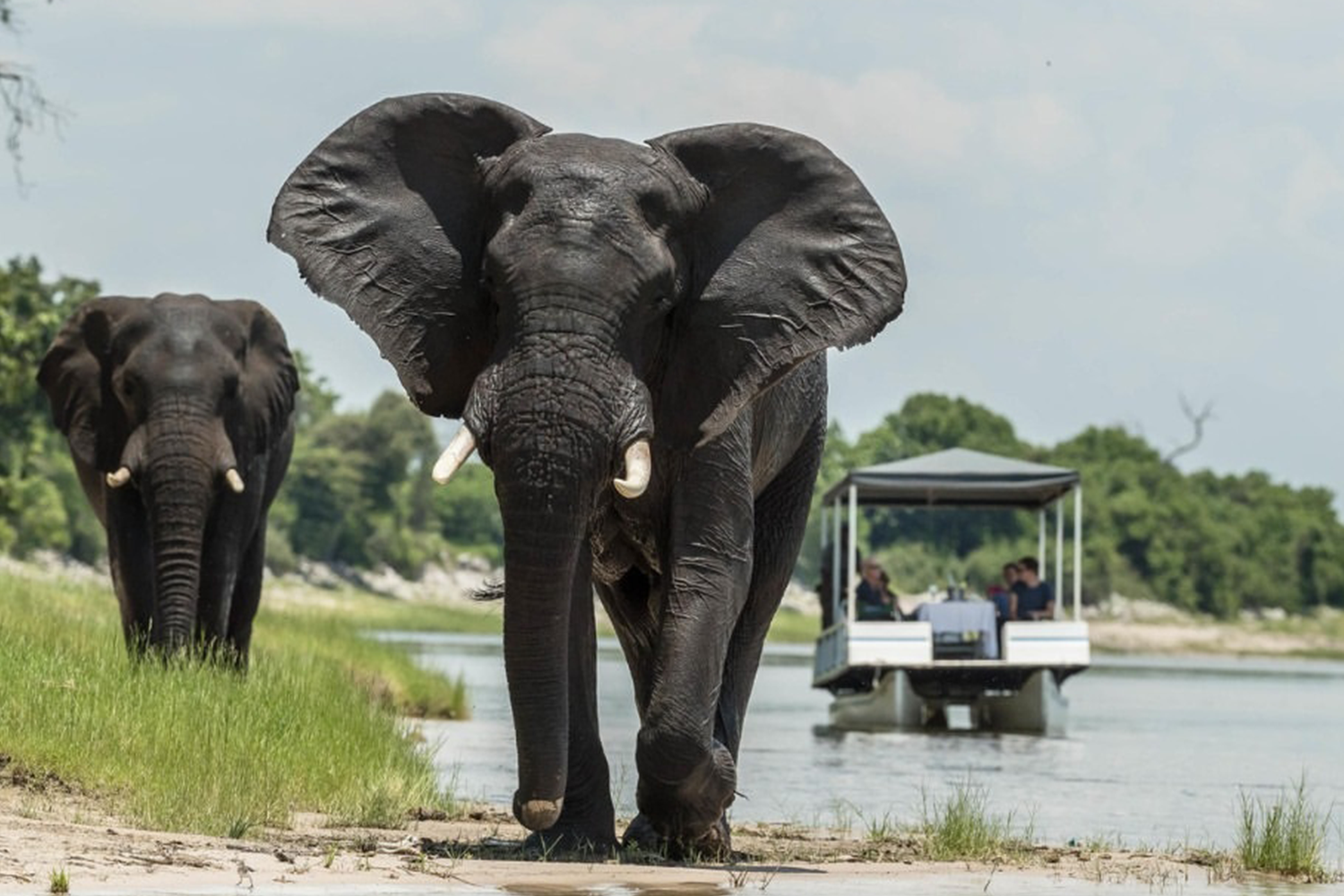
East Africa offers a range of safari options, from the savannahs of the Serengeti in Tanzania to the lush forests of Uganda for gorilla trekking. The choice of destination depends on what kind of experience you seek. If you’re interested in the Great Migration, consider Kenya’s Maasai Mara or Tanzania’s Serengeti. For s Bwindi Impenetrable Forest or Rwanda’s Volcanoes National Park are the top spots. Each region also has unique wildlife and ecosystems, so understanding what interests you most is crucial.
2. Best Time to Visit
The best time to visit East Africa depends on your interests. For the Great Migration, the months between July and October are ideal when animals move across the Serengeti and Maasai Mara. However, for general wildlife viewing, the dry season from June to October offers easier game viewing, as animals gather around water sources. The wet season (November to March) is less crowded and provides lush landscapes, but some areas might be harder to access due to rains.
3. Safari Style
There are various safari styles, ranging from budget to luxury. Choices include guided tours, self-drive safaris, or private luxury safaris. Lodging can range from basic campsites to upscale lodges and tented camps. While some travelers enjoy the adventure of self-driving through national parks, others might prefer the expertise of a professional guide to maximize wildlife sightings and ensure safety. Luxury safaris provide a more comfortable experience with high-end amenities, often in remote, exclusive locations.
[]
planning a safari in East Africa
4. Health and Safety
Vaccinations are an important consideration before visiting East Africa. Yellow fever, malaria, and typhoid are common concerns, so consult with a travel doctor to ensure you have the necessary immunizations and malaria prophylactics. A robust travel insurance policy that covers medical emergencies and evacuations is also recommended. Additionally, consider the safety of the areas you plan to visit—check government travel advisories and choose reputable tour operators.
5. Visas and Documentation
Visas are often required for travelers to East Africa, though some countries offer visa-on-arrival or e-visa options. Ensure that your passport is valid for at least six months beyond your intended departure date. You may also need to provide proof of onward travel or vaccinations, depending on your destination.
6. Packing Essentials
Packing for a safari requires practical and comfortable clothing, especially for hot, dusty conditions. Lightweight, neutral-colored clothing (such as khaki) is best to avoid attracting insects and to blend in with the environment. Don’t forget a good pair of binoculars, a camera, sun protection, insect repellent, and any necessary medications. A sturdy pair of shoes for walking safaris is also essential.
7. Conservation and Responsible Tourism
East Africa is home to some of the world’s most precious wildlife, and responsible tourism plays a role in conservation. Support operators that follow ethical guidelines, respect wildlife, and minimize environmental impact. Opt for camps and lodges that contribute to local communities and conservation efforts.
By thoughtfully considering these factors, you can ensure a fulfilling, safe, and unforgettable safari experience in East Africa, one of the world’s most remarkable travel destinations.