Botswana Safari & Gorilla Trek Uganda | 11 Day Friends Adventure
April 8, 2026Go Gorilla Trekking Safaris Uganda and Rwanda
GO Gorilla trekking in East Africa is one of the most extraordinary wildlife experiences on Earth. Deep within the lush rainforests of Uganda and Rwanda, visitors have the rare opportunity to encounter endangered mountain gorillas in their natural habitat. This once-in-a-lifetime adventure combines breathtaking landscapes, cultural immersion, and close encounters with one of humanity’s closest relatives.
Whether you are an avid wildlife enthusiast, a photographer, or simply a traveler seeking a unique adventure, gorilla trekking offers a deeply moving experience. Watching a gorilla family interact—silverbacks guarding their troop, mothers nurturing their young, and juveniles playfully tumbling—creates unforgettable memories that last forever.
In this comprehensive guide, we’ll explore everything you need to know about gorilla trekking in Uganda and Rwanda, including the types of gorillas, trekking requirements, costs, differences between the two destinations, and what to expect on your journey.
Types of Gorillas Found in Uganda and Rwanda
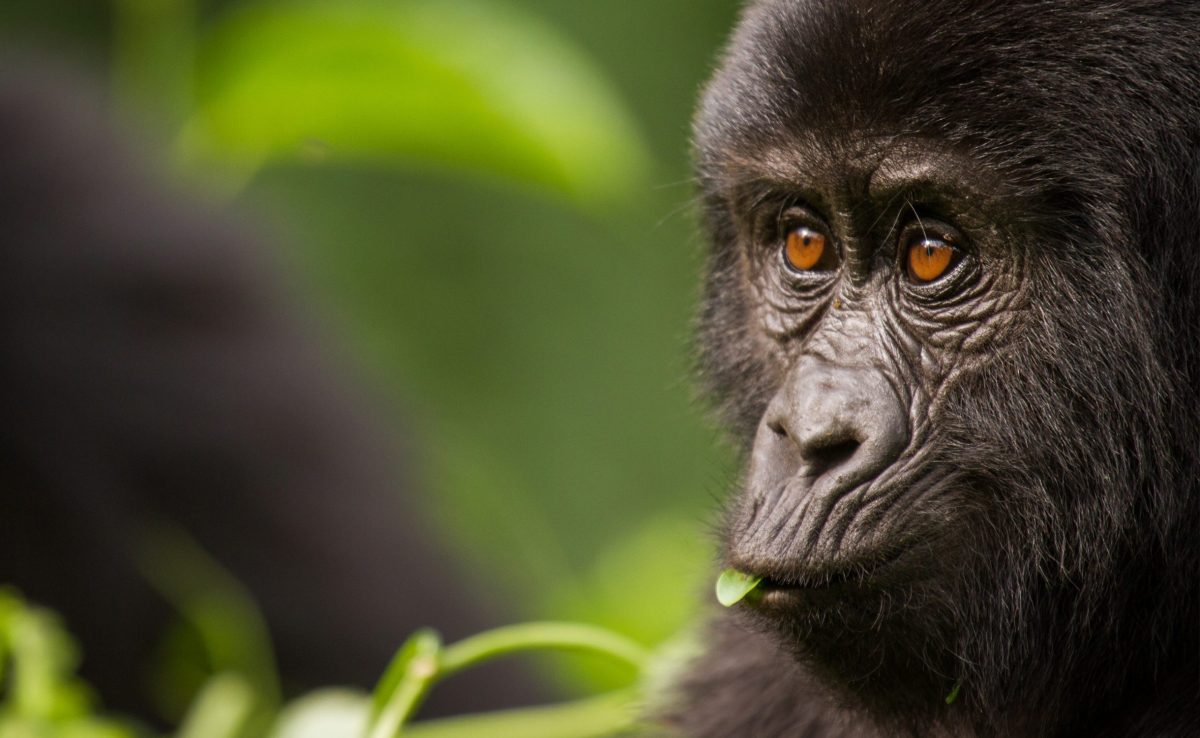
Gorillas are classified into two main species: Eastern gorillas and Western gorillas. Gorilla in Uganda and Rwanda focuses specifically on the mountain gorilla, a rare subspecies of Eastern gorillas found in high-altitude forests.
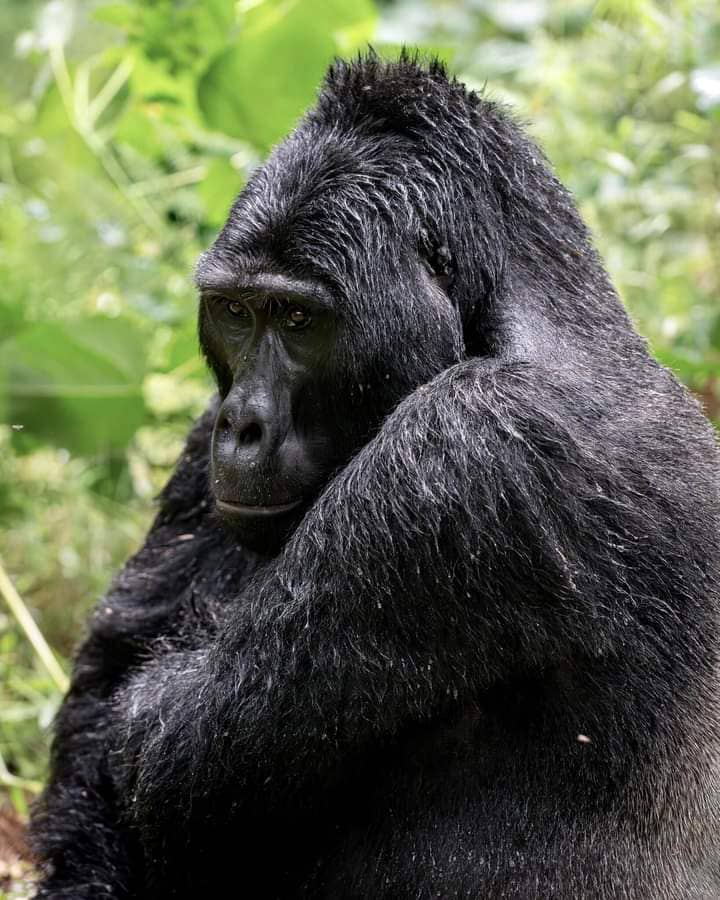
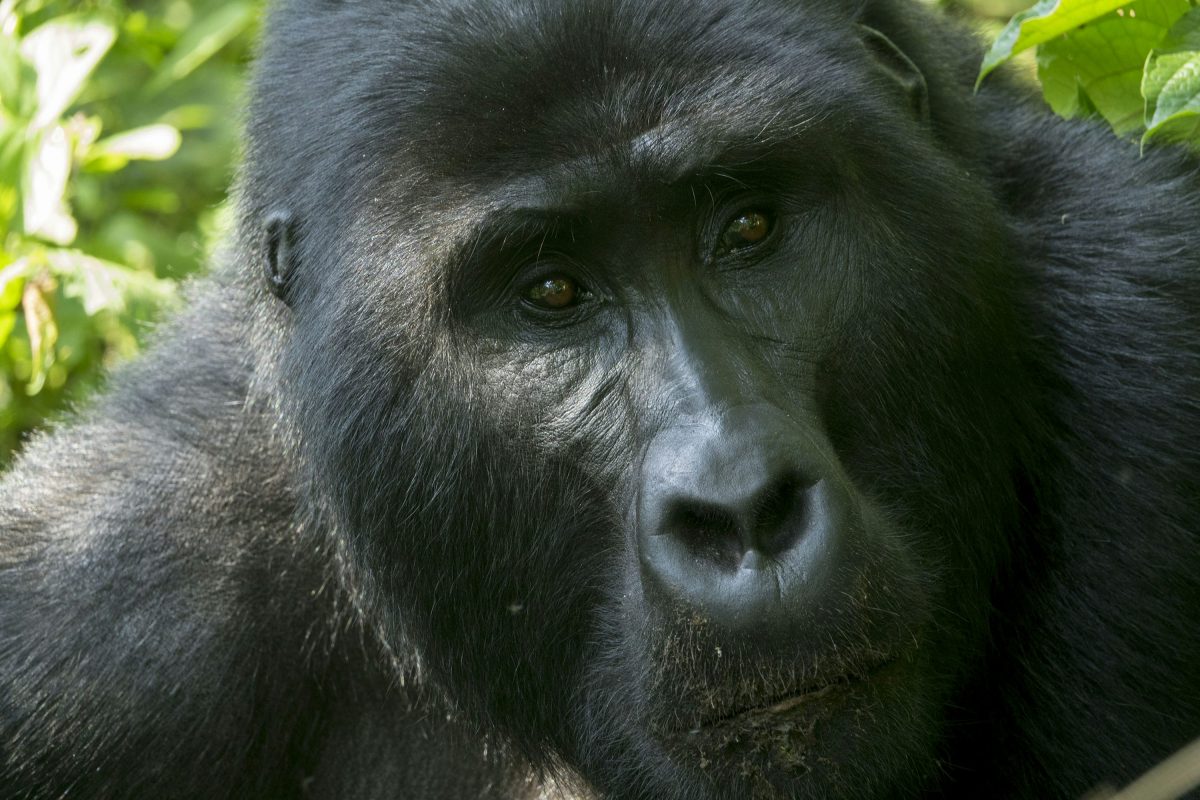
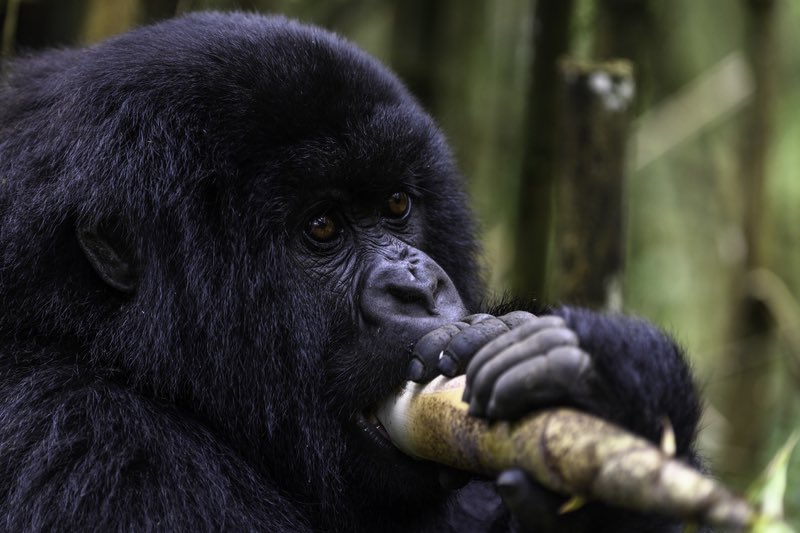
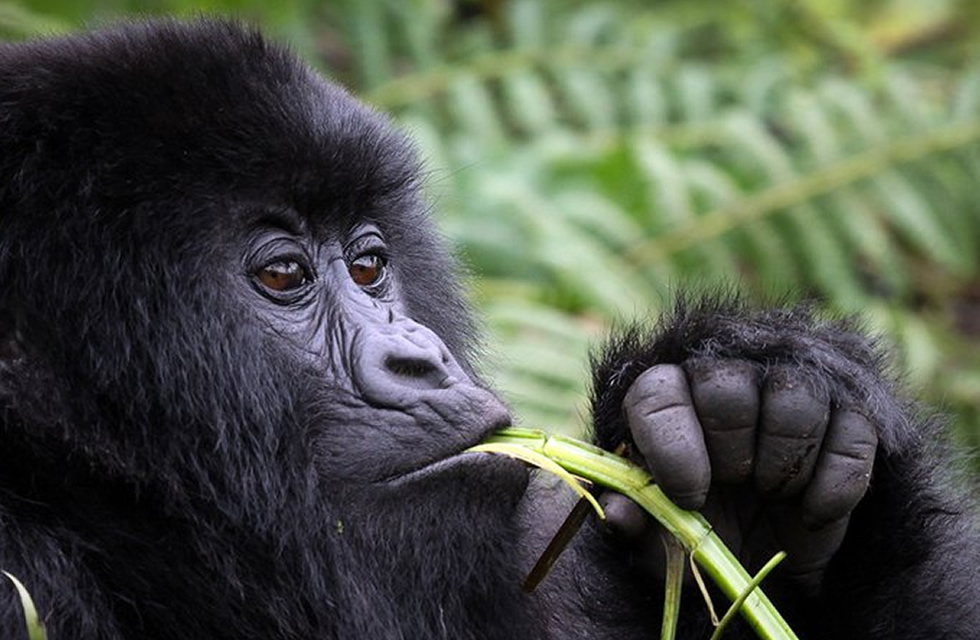
Mountain gorillas are known for their thick black fur, which helps them survive in cold, misty mountain environments. They have large, powerful bodies and live in close-knit families led by a dominant silverback.
These gentle primates display strong social behavior, including grooming, playing, and protecting one another.
As one of the most endangered species, mountain gorillas are protected through conservation programs. Gorilla trekking tourism in Uganda and Rwanda plays a crucial role in supporting their survival and habitat preservation
Minimum Age Requirement for Gorilla Trekking in Uganda and Rwanda
The minimum age for gorilla trekking in Uganda and Rwanda is 15 years. This rule is strictly enforced to ensure both visitor safety and gorilla conservation.
Gorilla trekking involves hiking through dense rainforests, steep slopes, and sometimes muddy terrain, which can be physically challenging for younger children. In addition, mountain gorillas are highly susceptible to human diseases, so maintaining strict hygiene and responsible behavior is essential during encounters.
Another key reason for the age limit is the need for silence and discipline while observing gorillas in their natural habitat. Younger visitors may find it difficult to follow these guidelines.
For these reasons, anyone under 15 years old is not permitted to join gorilla trekking tours, even when accompanied by adults.
National Parks for Gorilla Trekking
Uganda Gorilla Trekking National parks
Uganda is one of Africa’s top gorilla trekking destinations, home to more than half of the world’s remaining mountain gorillas. It features two key national parks for trekking.
- Bwindi Impenetrable National Park.
- Mgahinga Gorilla National Park
Bwindi Impenetrable National Park, a UNESCO World Heritage Site, is located in southwestern Uganda and covers about 331 sq km of dense rainforest. It is home to multiple habituated gorilla families and offers trekking sectors including Buhoma, Ruhija, Rushaga and Nkuringo.
Mgahinga Gorilla National Park is smaller at around 33.7 sq km and lies within the Virunga Conservation Area in southwestern Uganda. It features scenic volcanic landscapes and fewer crowds than Bwindi.
Rwanda Gorilla Trekking National Park
- Volcanoes National Park
In Rwanda, Volcanoes National Park spans about 160 sq km in the Virunga Mountains and is famous for conservation success and organized gorilla trekking. It is located about 2–3 hours from Kigali, making it highly accessible for travelers. These protected areas offer unforgettable wildlife encounters, biodiversity, and guided gorilla trekking adventures in East Africa for global eco-tourism travelers. Permits ensure safe gorilla trekking
Cost of Gorilla Trekking Permits
Gorilla trekking permits are mandatory and must be booked in advance as availability is limited to protect mountain gorillas in East Africa.
In Uganda, permits cost USD 800 per person for non-residents, Foreign Resident USD 700, and East African is USD 85 making it a more budget-friendly gorilla destination compared to Rwanda East African citizens enjoy reduced rates.
In Rwanda, a permit costs USD 1,500 per person, reflecting its premium tourism positioning luxury services and shorter travel times from Kigali to Volcanoes National Park.
A gorilla trekking permit includes;
- park entry fees
- services of experienced ranger guides
- a fully guided trekking experience
- one unforgettable hour observing mountain gorillas in their natural habitat.
Destinations such as Bwindi Impenetrable National Park and Mgahinga Gorilla National Park in Uganda and Volcanoes National Park in Rwanda all enforce strict daily permit limits.
Early booking is highly recommended due to high demand and conservation-focused restrictions.
These permits help conserve gorilla populations while supporting sustainable tourism and local community development across East Africa region.
Differences Between Gorilla Trekking in Uganda and Rwanda
Choosing between Uganda and Rwanda for gorilla depends on budget, travel style, and overall experience expectations.
- Uganda is more affordable while Rwanda is positioned as a premium gorilla trekking destination in East Africa. Rwanda’s Volcanoes National Park, Uganda’s Bwindi Impenetrable National Park requires longer travel times of eight to ten hours by road or domestic flight. Uganda’s Mgahinga Gorilla National Park and Bwindi Impenetrable National Park offer dense rainforest terrain and a more adventurous trekking experience,.
- Rwanda’s Volcanoes National Park provides relatively open slopes and easier hikes in some sectors.
- Uganda offers a wide range of accommodation from budget to luxury lodges, while Rwanda mainly focuses on high-end luxury safari lodges.
- Uganda is generally less crowded especially in remote trekking sectors, while Rwanda is more organized but can feel busier due to smaller park area.
- Uganda offers rich biodiversity and varied landscapes across its parks, while Rwanda is known for dramatic volcanic scenery in the Virunga Mountains
Requirements for Gorilla Trekking
Before embarking on a gorilla adventure, visitors must meet specific requirements to ensure a safe, enjoyable, and truly memorable lifetime experience. These treks take place in the dense forests of Bwindi Impenetrable National Park, Mgahinga Gorilla National Park in Uganda, and Volcanoes National Park in Rwanda, where proper preparation enhances your encounter with these remarkable primates
1. Valid Gorilla Permit
- Gorilla Permit Must be booked through official wildlife authorities or tour operators
2. Passport Identification
- Required for permit verification
3. Physical Fitness
- Moderate level of fitness is necessary
- Treks can last from 1 to 6+ hours
4. Health Guidelines
- Visitors with contagious illnesses (e.g., flu) are not allowed
- Masks may be required during gorilla encounters
5. Briefing Attendance
- Mandatory pre-trek briefing by park rangers
- Covers safety rules and expectations
What to Carry for Gorilla Trekking
Packing properly can make your trekking experience much more comfortable.
Essential Clothing
- Long-sleeved shirts and trousers
- Waterproof jacket
- Sturdy hiking boots
- Gaiters (to protect against mud and insects)
Gear
- Backpack
- Walking stick (often provided)
- Gardening gloves (for gripping vegetation)
- Camera (no flash allowed)
Personal Items
- Drinking water (at least 2 liters)
- Energy snacks
- Sunscreen and hat
- Insect repellent
Optional Items
- Binoculars
- Rain poncho
- Extra socks
What to Carry During the Gorilla Encounter
When you finally reach the gorillas, only essential items should be kept easily accessible:
- Camera or smartphone
- Water bottle
- Face mask (if required)
- Small bag
Large bags can be carried by porters, who are highly recommended to hire—not only for convenience but also to support local communities.
How Long Does Gorilla Trekking Take?
Gorilla trekking duration varies depending on the location of the gorilla family.
Typical Timeline
- Briefing: 30–60 minutes
- Trekking time: 1 to 6+ hours
- Gorilla viewing: Strictly 1 hour
Factors Affecting Duration
- Gorilla movement patterns
- Terrain difficulty
- Weather conditions
- Fitness level of the group
Some treks are short and relatively easy, while others can be physically demanding, involving steep climbs and dense vegetation.
The Gorilla Trekking Experience
The journey begins early in the morning with a briefing from park rangers. You’ll be assigned to a gorilla family group based on your fitness level and preferences.
As you hike through the forest, guides track the gorillas using signs like broken branches, nests, and fresh droppings. The anticipation builds with every step.
When you finally encounter the gorillas, it’s a magical moment. You’ll spend one hour observing them from a safe distance (usually about 7 meters). During this time, you may witness:
- Feeding behavior
- Grooming and bonding
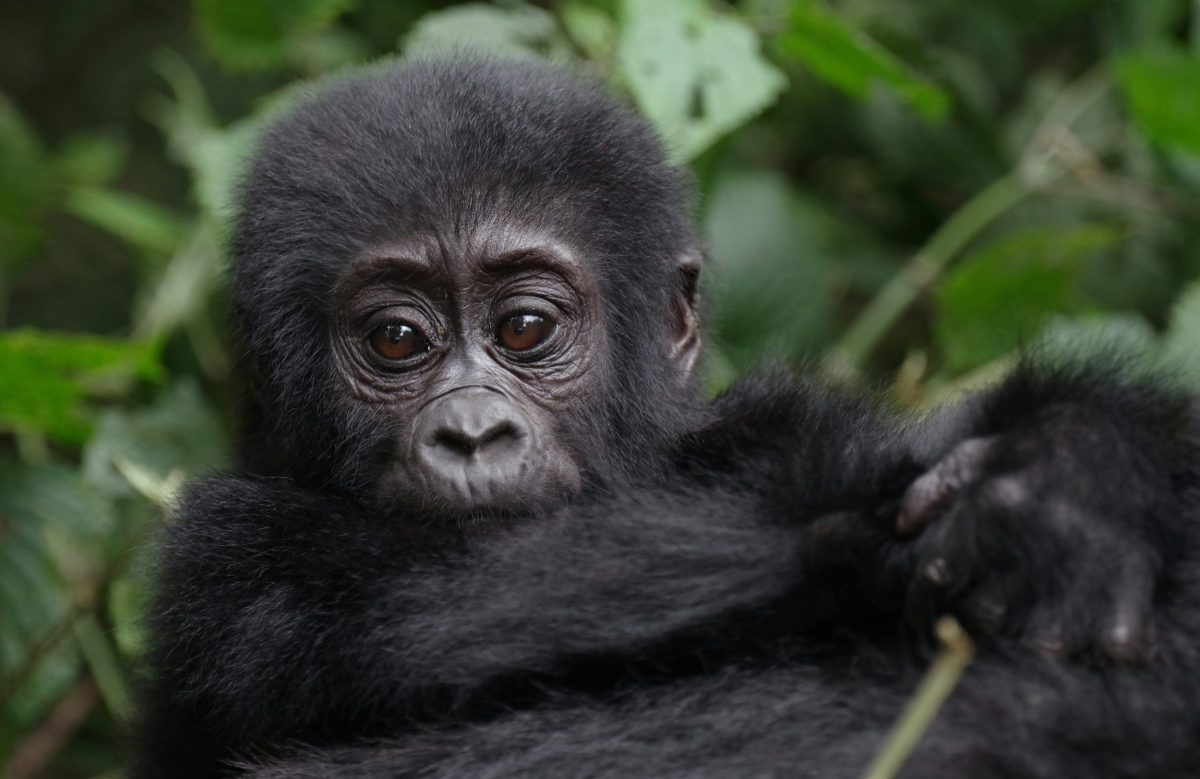
- Playful interactions among young gorillas
- The commanding presence of the silverback
Conservation and Responsible Tourism
Gorilla in East Africa is a key pillar of wildlife conservation and sustainable tourism in both Uganda and Rwanda. It helps protect the critically endangered mountain gorillas while supporting local communities and national park operations.
Permit fees from gorilla trekking directly fund important conservation activities such as wildlife protection, anti-poaching patrols, habitat preservation, and community development programs around parks like Bwindi Impenetrable National Park, Mgahinga Gorilla National Park, and Volcanoes National Park. These contributions ensure long-term survival of mountain gorilla populations across the Virunga ecosystem.
Visitors are required to follow strict gorilla trekking guidelines to minimize disturbance and protect both humans and wildlife. These include maintaining a safe distance of at least 7 meters, avoiding direct eye contact, refraining from touching gorillas, and keeping noise levels low throughout the encounter. Flash photography is also prohibited.
By respecting these conservation rules and participating in responsible gorilla trekking, travelers play an active role in protecting one of the world’s rarest primates. This eco-tourism model ensures that gorilla trekking remains a powerful force for biodiversity conservation and sustainable travel in East Africa for future generations
Final Thoughts
Gorilla trekking in Uganda and Rwanda is more than just a safari—it’s a profound encounter with nature that touches the heart and soul. Whether you choose Uganda for its affordability and diverse landscapes or Rwanda for its accessibility and luxury experience, both destinations offer unforgettable adventures.
From the thrill of navigating dense forests to the awe-inspiring moment of meeting a mountain gorilla face-to-face, this experience is truly unmatched. With proper preparation, respect for wildlife, and a sense of adventure, gorilla trekking will undoubtedly become one of the highlights of your travel journey.