The Albertine Rift Endemics are biodiversity, the hotspot is East and Central Africa, also renowned for its unique flora and fauna.Spanning Uganda, Rwanda, and the Democratic Republic of Congo (DRC), this region is home to numerous endemic species found nowhere else on Earth.
Albertine Rift Endemic Birds
The Albertine Rift Endemics boasts over 40 endemic bird species, many of which are highly sought after by birdwatchers:
Rwenzori Turaco (Tauraco johnstoni): A striking bird with vibrant green and blue plumage, found in the montane forests of the Rwenzori Mountains.
Grauer’s Rush Warbler (Bradypterus graueri): A small, elusive bird inhabiting montane swamps above 1,900 meters, often spotted in areas like Bwindi Impenetrable Forest.
Albertine Owlet (Glaucidium albertinum): A rare nocturnal bird endemic to the region’s montane forests.
African Green Broadbill (Pseudocalyptomena graueri): Known for its vibrant green color, this bird is found in the dense forests of the Albertine Rift.
Yellow-crested Helmetshrike (Prionops alberti): A striking bird with black plumage and a bright yellow crest, found in the mountains of eastern Democratic Republic of the Congo.
Crimsonwings (Cryptospiza species): A genus of small passerine birds, including species like Shelley’s and dusky crimsonwings, found exclusively in the Albertine Rift.
The region also supports several endemic mammal species:
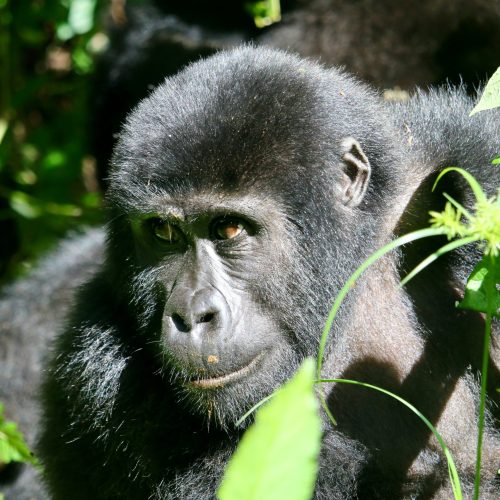
Mountain Gorilla (Gorilla beringei beringei): Found in the Bwindi Impenetrable Forest and Mgahinga Gorilla National Park, these critically endangered primates are a major attraction for wildlife enthusiasts.
Golden Monkey (Cercopithecus kandti): Inhabiting the bamboo forests of the Virunga Mountains, golden monkeys are known for their distinctive golden-orange fur.
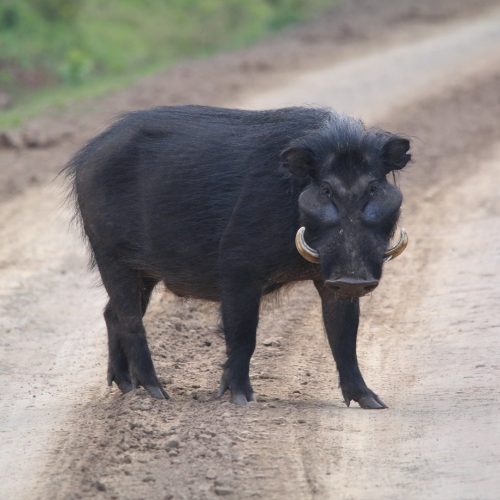
Giant Forest Hog (Hylochoerus meinertzhageni): A large wild pig species found in the dense forests of the Albertine Rift.
Situated in southwestern Uganda, this is the country’s most visited park. It spans diverse habitats such as savannah, wetlands, and crater lakes. It’s home to elephants, hippos, lions (including tree-climbing lions), buffaloes, leopards, and over 600 bird species.
. Bwindi Impenetrable National Park
A UNESCO World Heritage Site, Bwindi is famous for its population of endangered mountain gorillas. The dense rainforest also harbors numerous bird species, primates, and unique plant life. It is a key destination for gorilla trekking.
. Mgahinga Gorilla National Park
Located in the Virunga Mountains, Mgahinga is Uganda’s smallest national park but rich in biodiversity. It protects mountain gorillas and the endangered golden monkey. The park is also culturally significant to the Batwa people.
. Rwenzori Mountains National Park
Also a UNESCO World Heritage Site, this park protects the snow-capped Rwenzori Mountains (Mountains of the Moon). It is rich in alpine flora, waterfalls, glaciers, and endemic species.
. Semuliki National Park
Located in the Semuliki Valley, this park is known for its lowland tropical rainforest—an extension of the Congo Basin. It hosts rare bird species, hot springs, and forest elephants
Rwanda:
Nyungwe Forest National Park: One of the best-preserved montane rainforests in Africa, Nyungwe is home to a variety of primates and endemic bird species.
Volcanoes National Park: Located in the northwest of Rwanda, this park is part of the Virunga Conservation Area and is famous for its mountain gorilla population.
Democratic Republic of Congo:
Virunga National Park: Africa’s oldest national park, Virunga is a UNESCO World Heritage Site that hosts a significant portion of the world’s mountain gorilla population.
Kahuzi-Biéga National Park: Located in the eastern DRC, this park is home to the endangered eastern lowland gorilla and a variety of other mammal and bird species.
The Albertine Rift’s unique biodiversity underscores the need for conservation efforts to protect these Albertine Rift Endemics species and their habitats.Efforts focus on habitat preservation, anti-poaching measures, and community engagement to ensure the survival of these remarkable species.