Visa for East Africa Travel
October 21, 2024
East Africa Tourist Visa
October 27, 2024Primate Safaris
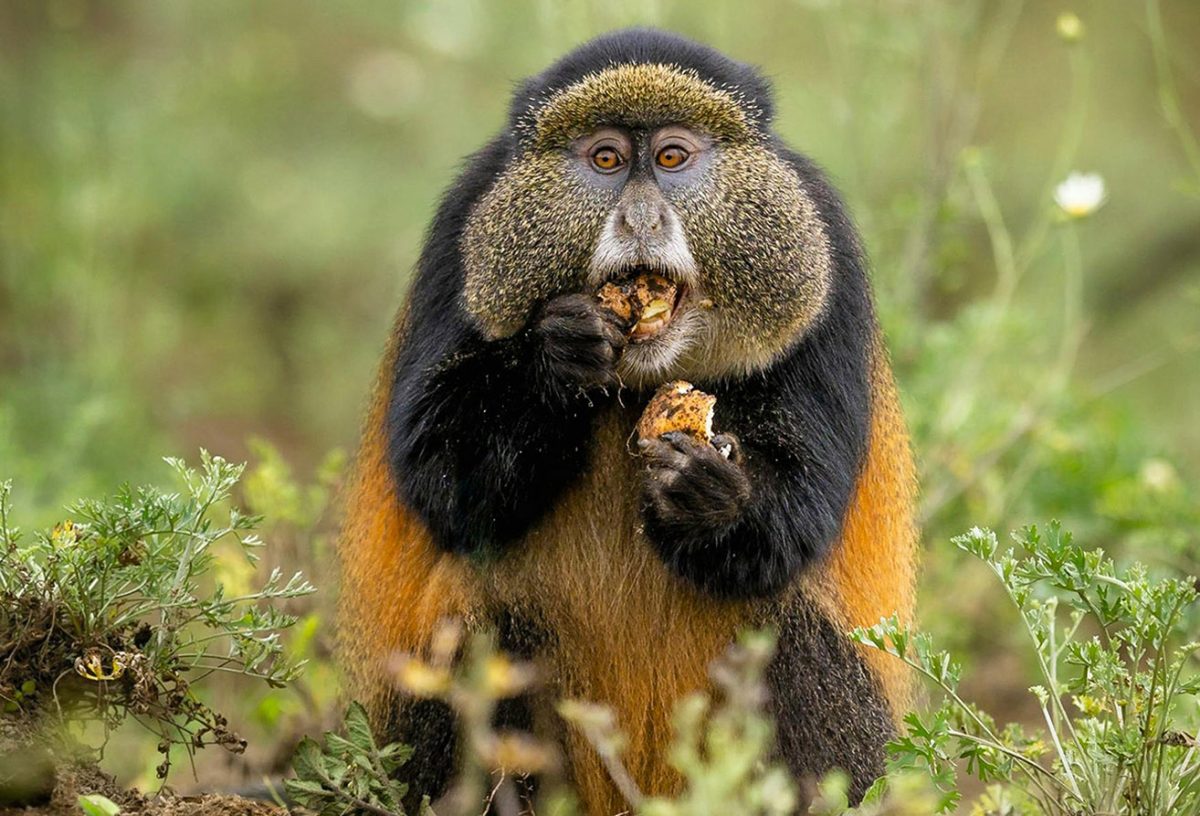
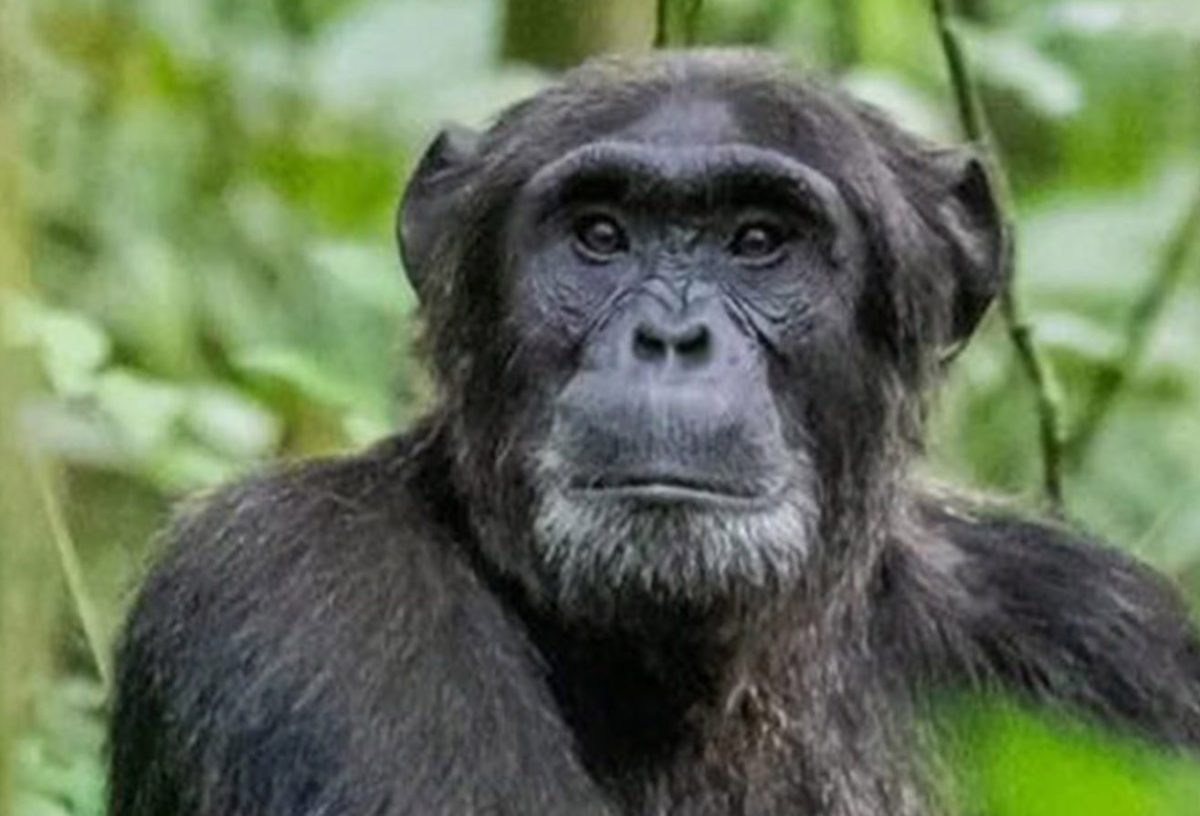
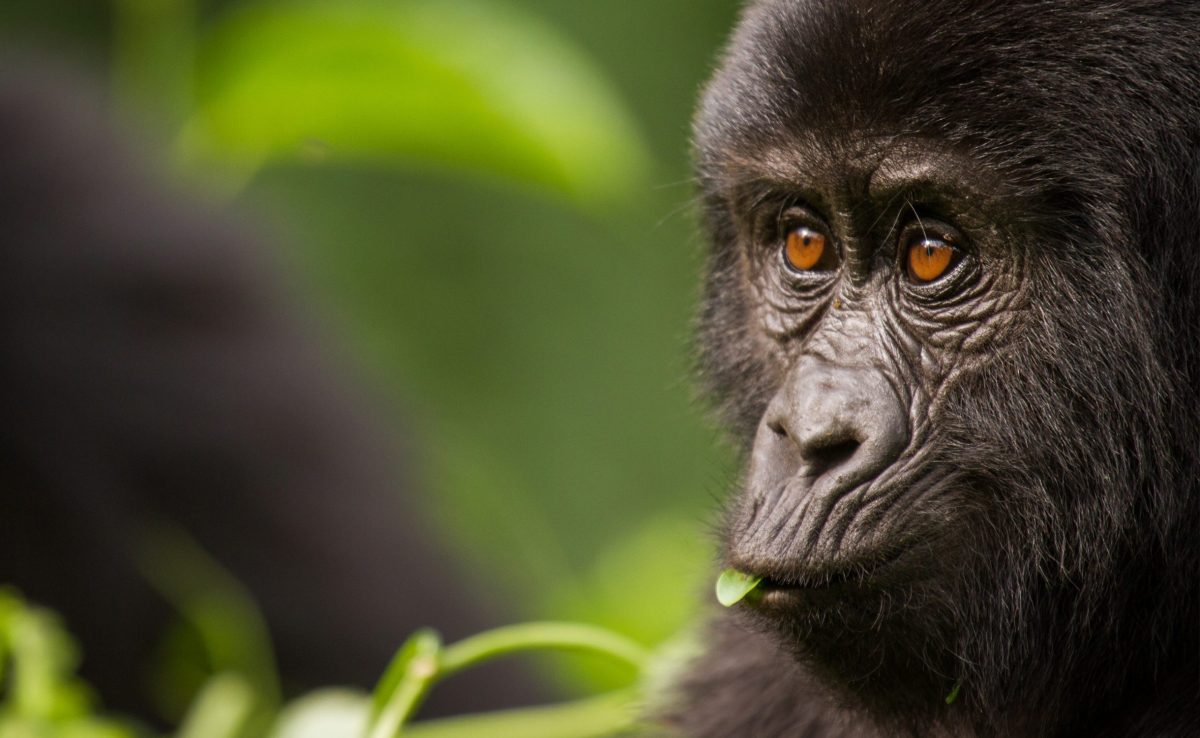
Primate safaris offer one of the most extraordinary wildlife experiences in Africa, and Uganda, Rwanda, and the Democratic Republic of Congo (DR Congo) are the top destinations for unforgettable encounters with rare and endangered primates. A primate safari allows travelers to trek through lush tropical forests in search of Mountain Gorillas, Lowland Gorillas, Chimpanzees, Golden Monkeys, Colobus Monkeys, and many other fascinating primate species.
The most popular primate trekking parks include Bwindi Impenetrable Forest National Park, Kibale Forest National Park, and Mgahinga Gorilla National Park in Uganda; Volcanoes National Park in Rwanda; and Nyungwe Forest National Park and Kahuzi-Biega National Park in DR Congo. Each park offers a unique primate experience, guided by expert trackers who ensure both visitor safety and conservation of wildlife.
Primate trekking in Africa is considered one of the most rewarding adventure activities and is open to visitors aged 15 years and above. Trekking permit fees vary depending on the country and the type of primate being tracked, with gorilla permits being the most sought-after.
All primate treks require a government-issued permit, which must be secured at least three months in advance of the trekking date. To guarantee availability and smooth planning, permits should be booked through a licensed tour operator, such as Ikiya Primate Safaris, ensuring a seamless and responsible primate safari experience
Top Primates In Uganda and Rwanda
Must do for Primate Safaris
Going on a primate safari in East Africa is an incredible experience! Here are some essential tips to consider:
Choose the Right Locations: Popular spots include Uganda’s Bwindi Impenetrable National Park for gorilla trekking and Kibale National Park for chimpanzees. Research these areas to find the best fit for your interests.
Book Permits in Advance: Permits for gorilla and chimpanzee trekking are limited and can sell out quickly, so it’s best to book well in advance.
Prepare Physically: Gorilla trekking can be strenuous. Make sure you’re in good physical condition and ready for hikes through sometimes steep and muddy terrain.
Pack the Right Gear: Bring sturdy hiking boots, comfortable clothing, a rain jacket, a hat, and insect repellent. A good pair of binoculars and a camera with a zoom lens are also useful.
Respect Wildlife: Maintain a safe distance from the animals, follow your guide’s instructions, and avoid making loud noises. Remember that these are wild animals and their behavior can be unpredictable.
Stay Healthy: Make sure your vaccinations are up to date, particularly for yellow fever and other relevant diseases. Carry a basic medical kit with you.
Be Mindful of Altitude: Some parks are at high altitudes. If you’re traveling from lower altitudes, take time to acclimatize.
Learn Local Customs: Familiarize yourself with the local culture and customs to show respect to the communities you’ll be visiting.
Bring Cash: Some areas may not accept cards, so having cash on hand for tips, souvenirs, and other small expenses can be helpful.
Stay Hydrated and Nourished: Bring plenty of water and snacks for your treks, as you might be out for several hours.
By preparing ahead, you’ll have an unforgettable adventure while respecting both the wildlife and local communities!